Powering Dignity
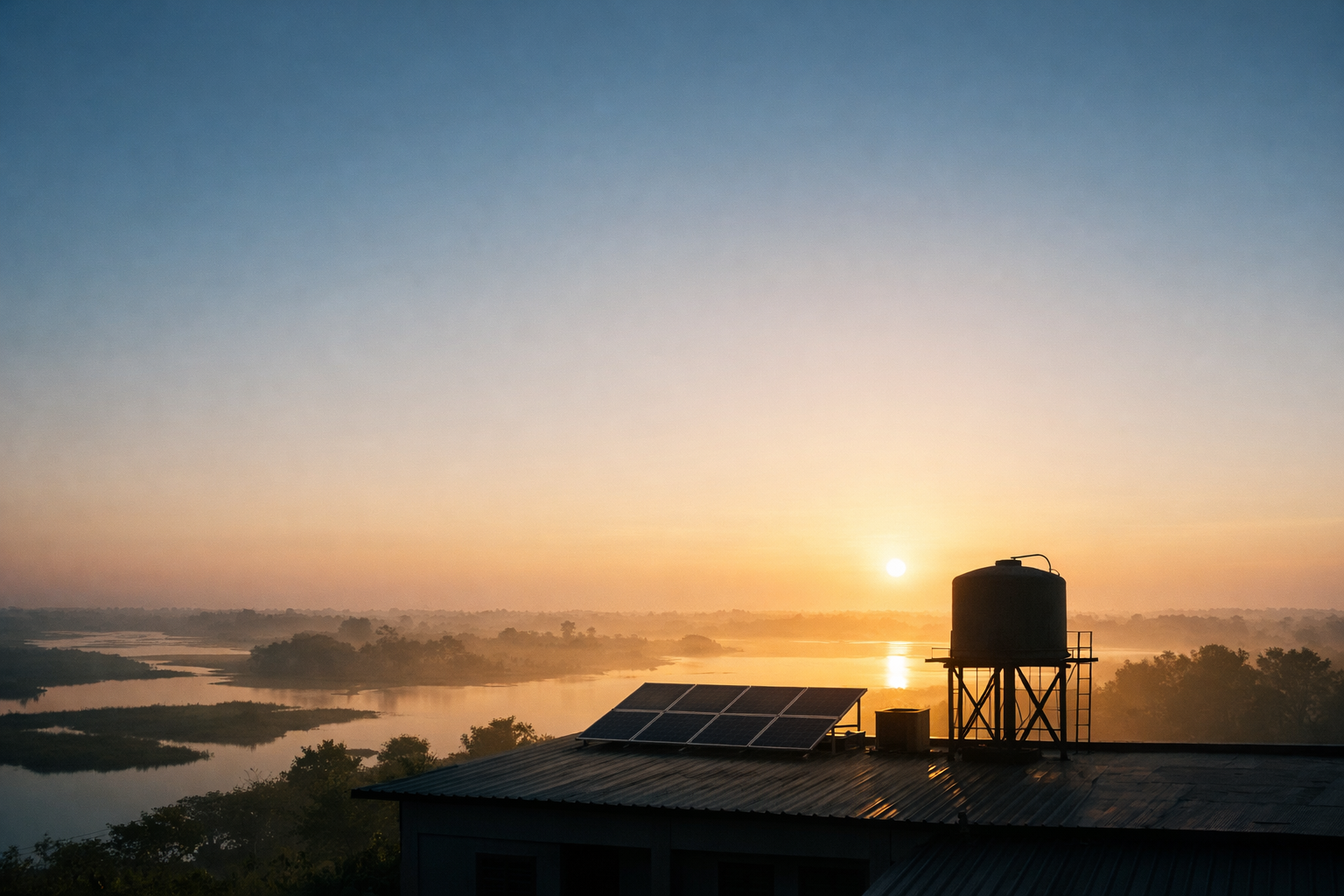
Solar-powered WASH infrastructure designed to restore reliable water access, safer sanitation, and learning continuity across six climate-vulnerable schools.
A curated portfolio of initiatives across education, environment, and health-adjacent resilience — designed to convert infrastructure gaps into durable, governed public-value outcomes.
These headline metrics represent portfolio targets, not completed achievements. The current pipeline spans climate-resilient schools, women-led adaptation systems, decentralized health corridors, and market-facing platforms.
Current expanded portfolio integrating education, environment, and robust health-adjacent cold chain and campus networks.
Combined target reach across students, farming households, and women-led production and health network systems.
Indicative combined capital across seven key initiatives, structuring pilot scale up to durable regional implementations.
Solar-powered WASH infrastructure designed to restore reliable water access, safer sanitation, and learning continuity across six climate-vulnerable schools.
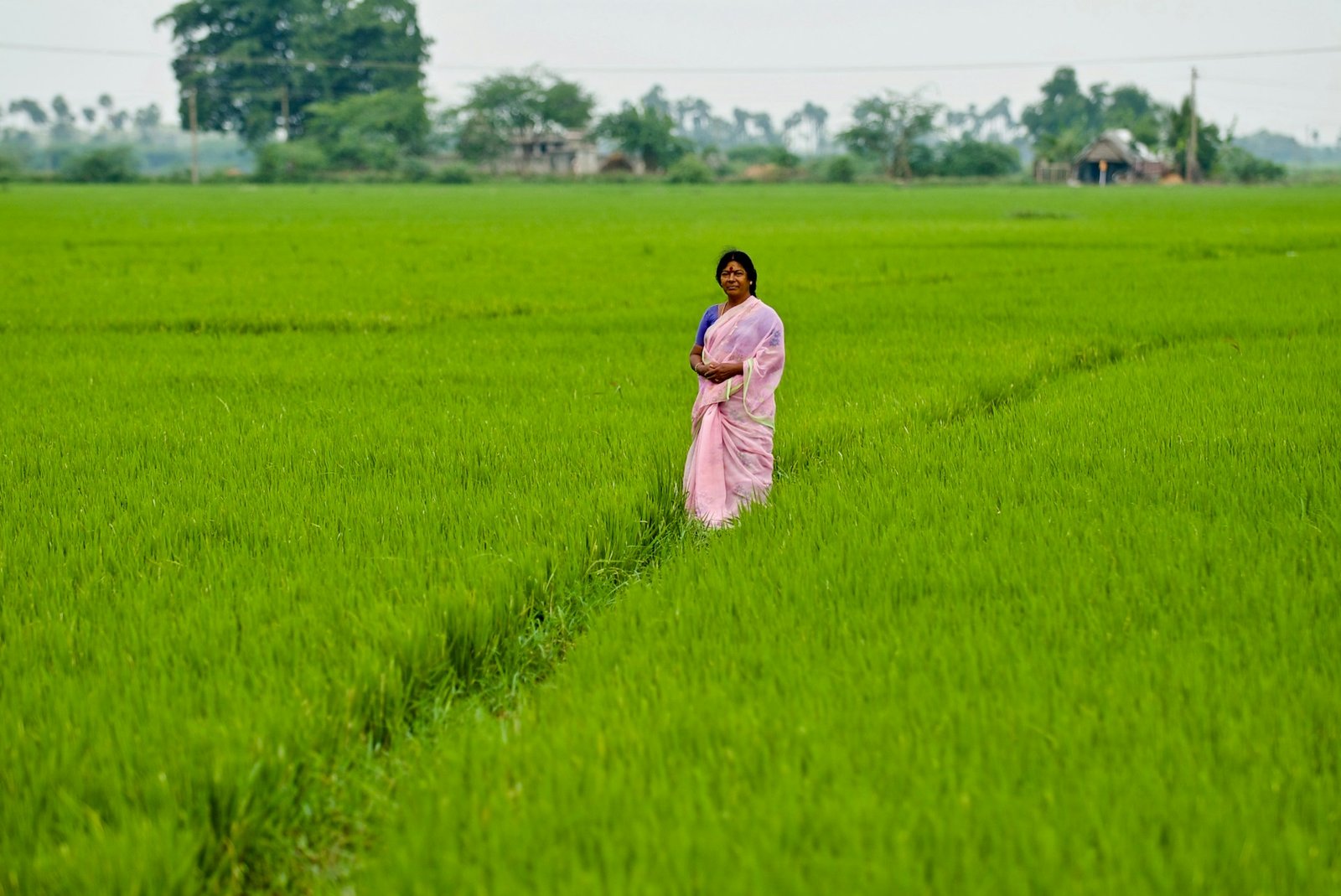
Women-led resilience hubs combining agroecology, enterprise capitalization, and evidence channels to move local adaptation into budgeted continuity.
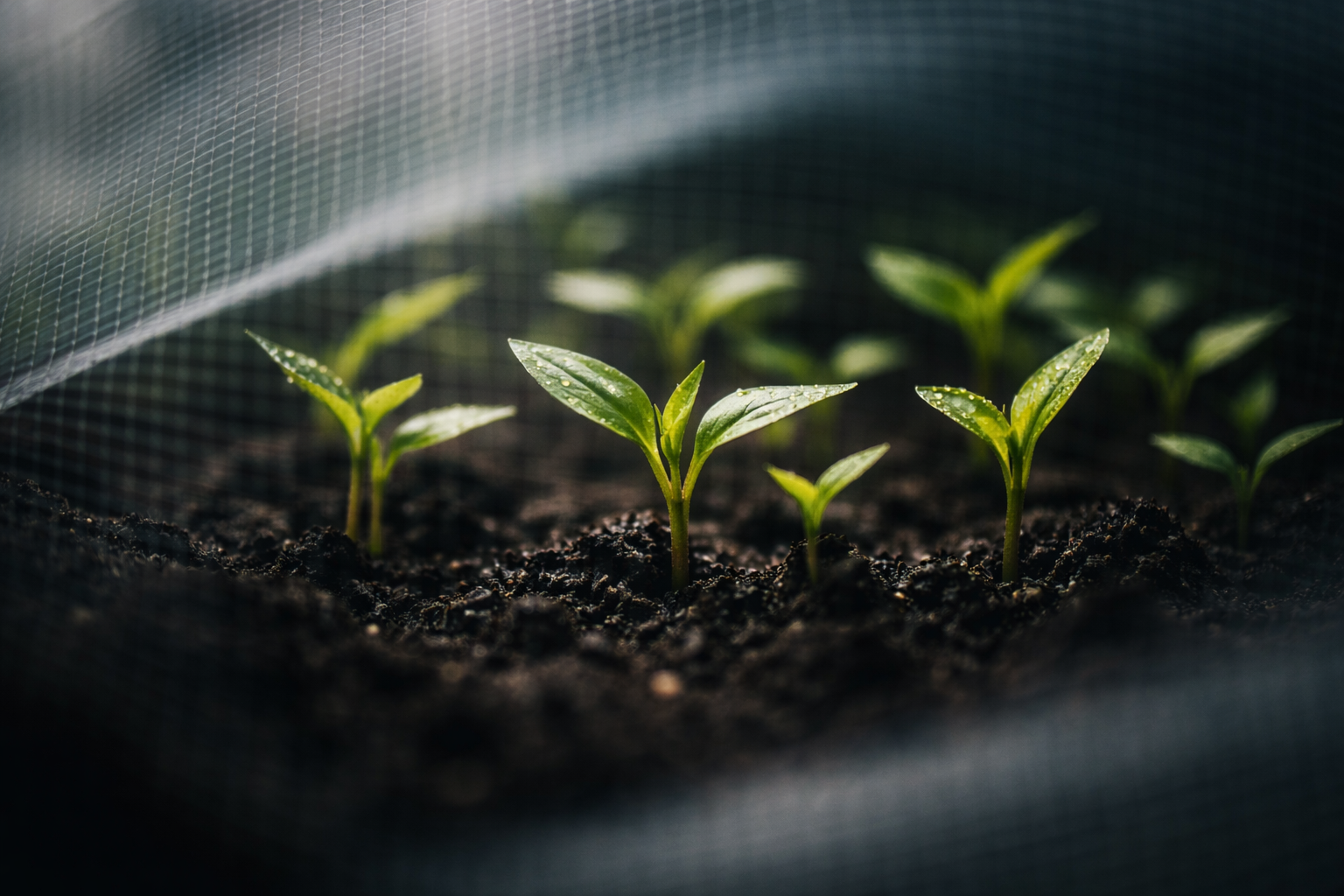
Protected cultivation, preservation capacity, and women-led asset governance designed to stabilize a fragile seedling economy and convert it into durable rural enterprise.
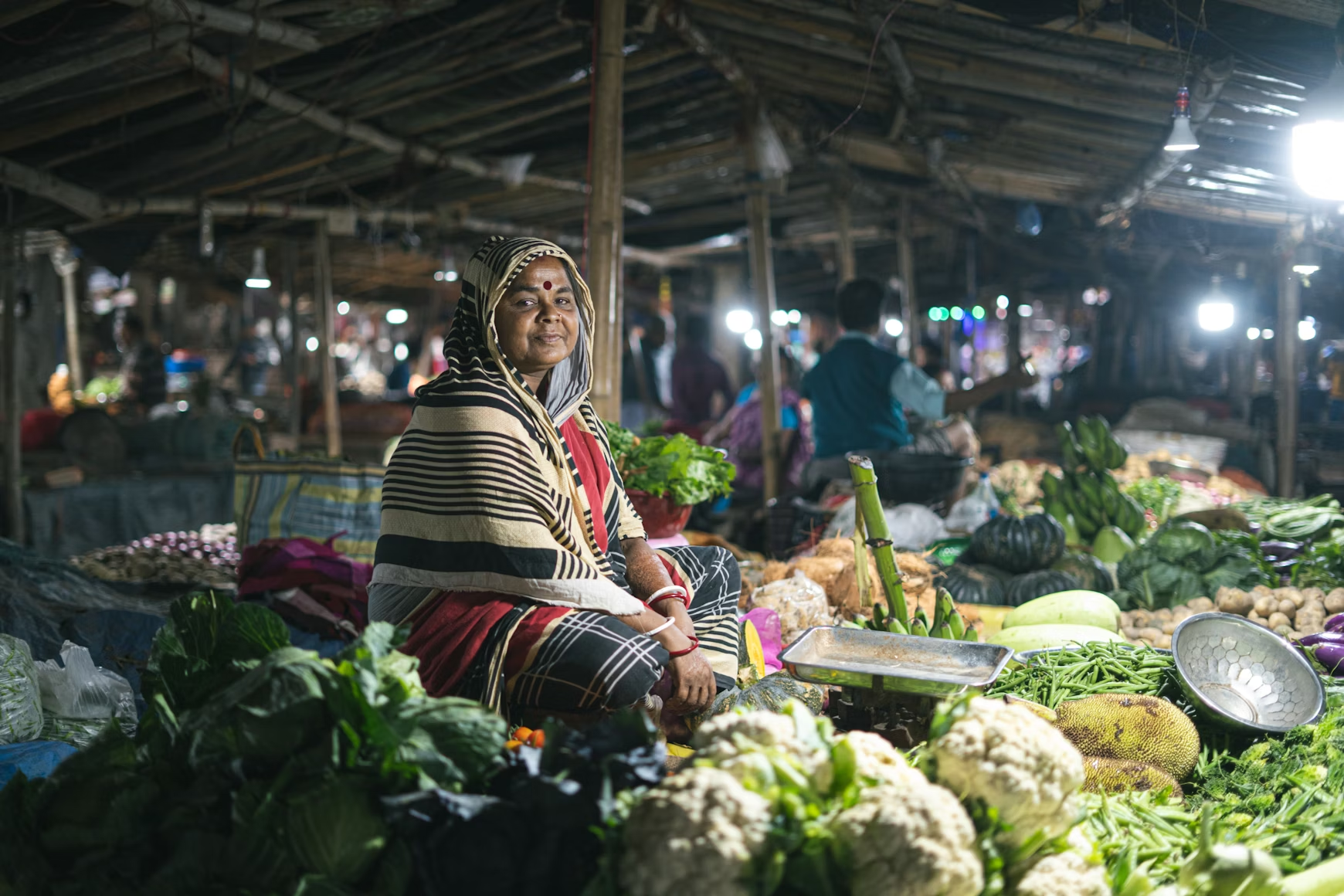
Climate-shield floriculture infrastructure, aggregation hubs, and direct retail linkages designed to improve value capture for women producers across a high-potential market corridor.
Solar Cool Chain is a national, decentralized, solar-powered cool chain system designed to solve a critical market failure—reducing waste, enhancing crop value, and increasing farmer income by an estimated 20-35%.
Modular, solar-driven cooling infrastructure bridging critical gaps to secure the integrity of temperature-sensitive high-value floriculture produce.
The Sundarbans Guardian Cooperative (SGC) addresses the structural failure of 50 tonnes of daily macro-plastic intake across 54 river systems. This volume endangers the region's primary storm defense and a world heritage site, the Sundarbans.